Plumbing Line Repair in Denver, CO
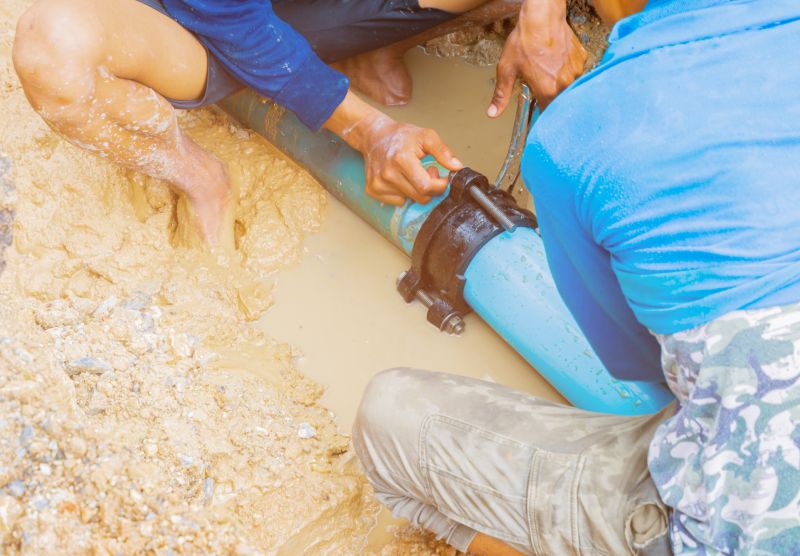
Plumbing line repair services address issues related to the pipes that deliver water to and drain from a property. These services cover a range of projects, including fixing leaks, replacing corroded or damaged pipes, and repairing or replacing sections of the main water line. Property owners should understand the scope of work involved, potential causes of pipe problems such as age or shifting ground, and the importance of addressing issues promptly to prevent water damage and costly repairs.
Before requesting plumbing line repair, homeowners typically want to know the signs of a problem, such as low water pressure, unusual noises, or visible leaks. It’s also helpful to understand the process involved in diagnosing the issue, the materials used for repairs, and any necessary permits or precautions. Clear communication about the extent of the damage and expected outcomes can ensure the repair process is smooth and effective.
Many property owners in Denver, CO look into Plumbing Line Repair for repairs, replacements, upgrades, and appearance-related improvements.
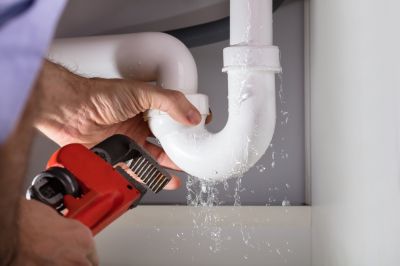
Signs Of Plumbing Line Damage
Leaking pipes, low water pressure, and unusual noises may indicate a damaged plumbing line.
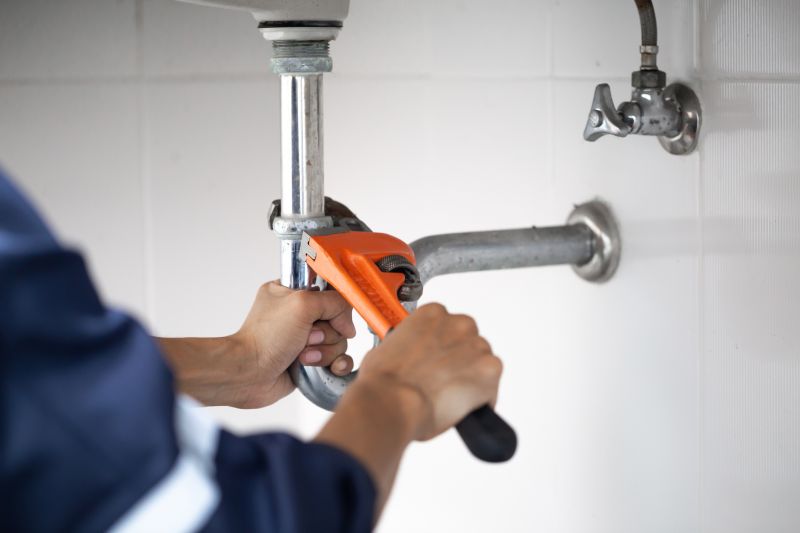
Common Repair Solutions
Repairs often involve replacing corroded sections, sealing leaks, or rerouting damaged pipes to restore proper flow.
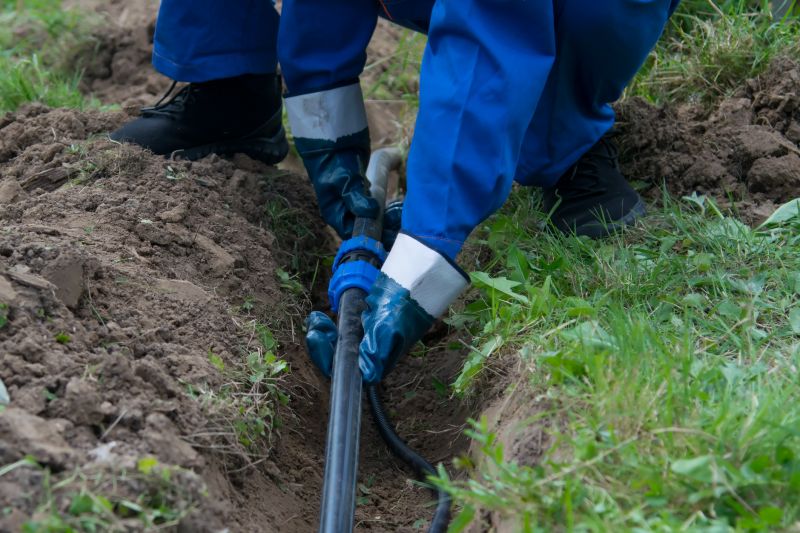
Preventative Maintenance Tips
Regular inspections and prompt repairs can help prevent costly plumbing line issues in denver homes and properties.
Plumbing Line Repair in Denver, CO
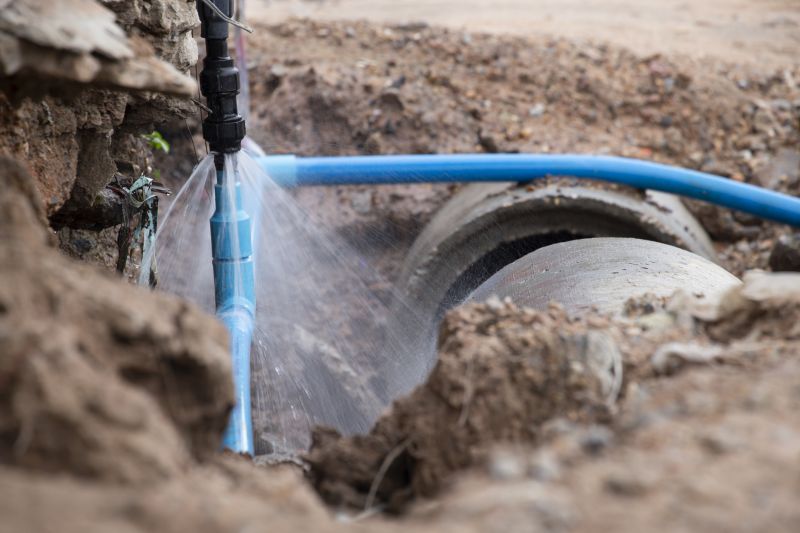
Plumbing line repair services address issues related to the pipes that deliver water to and drain from a property. These services cover a range of projects, including fixing leaks, replacing corroded or damaged pipes, and repairing or replacing sections of the main water line. Property owners should understand the scope of work involved, potential causes of pipe problems such as age or shifting ground, and the importance of addressing issues promptly to prevent water damage and costly repairs.
Before requesting plumbing line repair, homeowners typically want to know the signs of a problem, such as low water pressure, unusual noises, or visible leaks. It’s also helpful to understand the process involved in diagnosing the issue, the materials used for repairs, and any necessary permits or precautions. Clear communication about the extent of the damage and expected outcomes can ensure the repair process is smooth and effective.
Many property owners in Denver, CO look into Plumbing Line Repair for repairs, replacements, upgrades, and appearance-related improvements.
Common Plumbing Line Repair Jobs
Leak Repair - quick fixes for leaking pipes to prevent water damage.
Pipe Replacement - upgrading damaged or outdated plumbing lines for better performance.
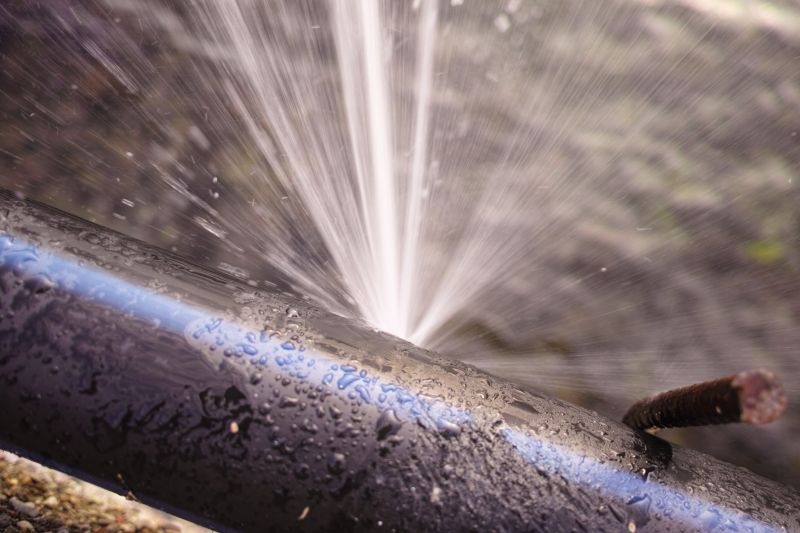
Burst Pipe Repair - addressing sudden pipe bursts to restore water flow efficiently.
Corrosion Repair - fixing corroded pipes to prevent leaks and maintain system integrity.
Clog Removal - clearing blockages in main lines to improve drainage and prevent backups.
Line Re-routing - adjusting pipe paths to avoid future issues and improve plumbing layout.
Plumbing Line Repair Questions
What causes plumbing lines to need repair? Common causes include tree root intrusion, aging pipes, blockages, and corrosion that can lead to leaks or breaks.
How can I tell if my plumbing line is damaged? Signs include low water pressure, frequent clogs, foul odors, or visible water pooling around the foundation or yard.
What types of repairs are typically performed on damaged plumbing lines? Repairs may involve pipe patching, replacement of damaged sections, or full pipe rerouting depending on the extent of the damage.
Are there preventive measures to avoid plumbing line issues? Installing protective pipe coatings, avoiding chemical drain cleaners, and scheduling regular inspections can help prevent problems.
Request Plumbing Line Repair in Denver, CO
Use the quote form on this page to share the basics of your project and request more information for the type of work you need.